
We all know the feeling. You open your wardrobe, stare at the rails, and have no idea which top goes with which trousers. So you grab the same black jeans and white shirt again. It works, but it gets boring.
The good news is that matching colours is not a secret skill. You do not need a degree in fashion. You just need a few clear rules and some practice. This guide will show you which colours look great together, which ones to avoid, and how to build a wardrobe that works for every season in Ireland.

The Colour Wheel – Your Starting Point
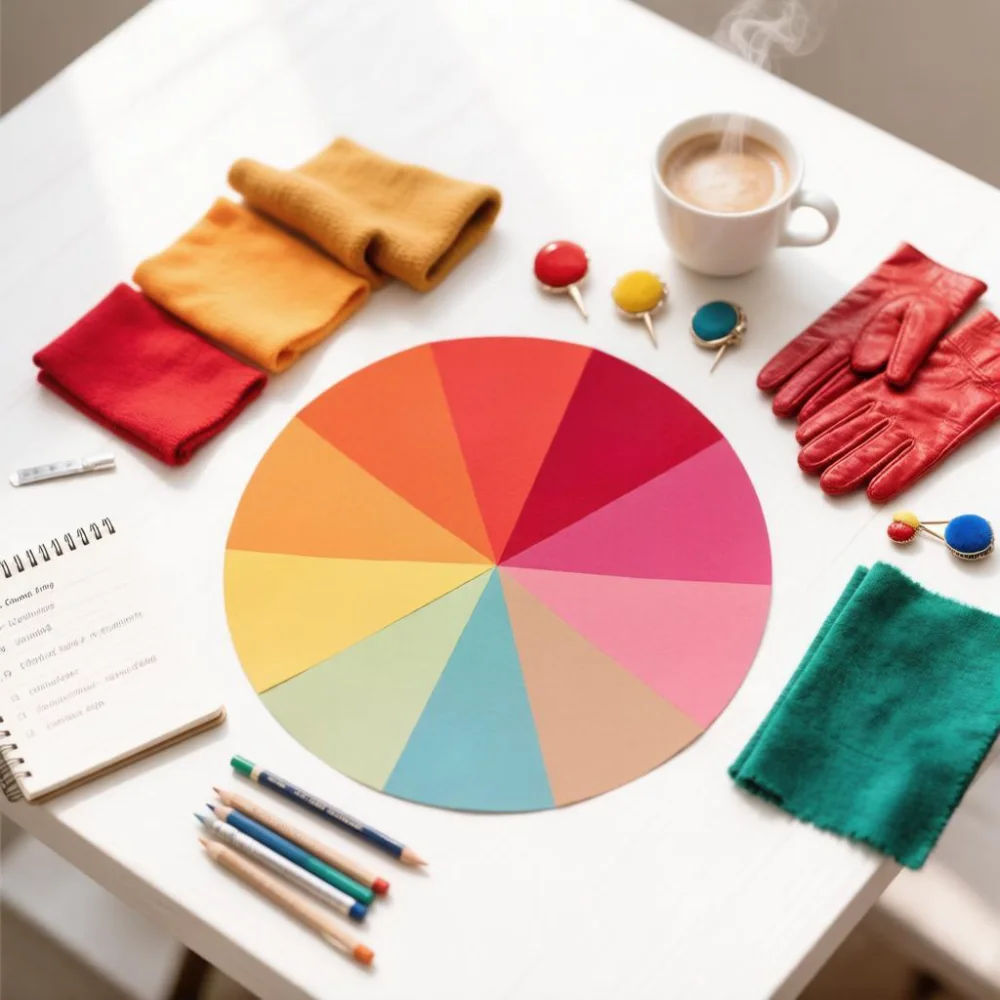
Designers and stylists use a simple tool called the colour wheel. It is a circle with 12 basic colours arranged in order. Once you understand how it works, you can mix and match with confidence.
There are three easy ways to use the colour wheel:
1. Analogous colours – these sit next to each other on the wheel. For example, red and orange, blue and purple, or yellow and green. They give a calm, harmonious look. This is a safe choice for work or everyday wear.
2. Complementary colours – these sit opposite each other on the wheel. Red and green, blue and orange, yellow and purple. These pairs create strong contrast and grab attention. Wear them when you want to stand out.
3. Triadic colours – you pick three colours that are evenly spaced on the wheel, like a triangle. Red, yellow, and blue is one example. This is bolder and works best when one colour is the main one and the other two are accents.
You do not need to memorise the wheel. Just keep a picture on your phone. It will save you time when you shop or dress in the morning.
The Core Neutrals – Your Wardrobe Foundation
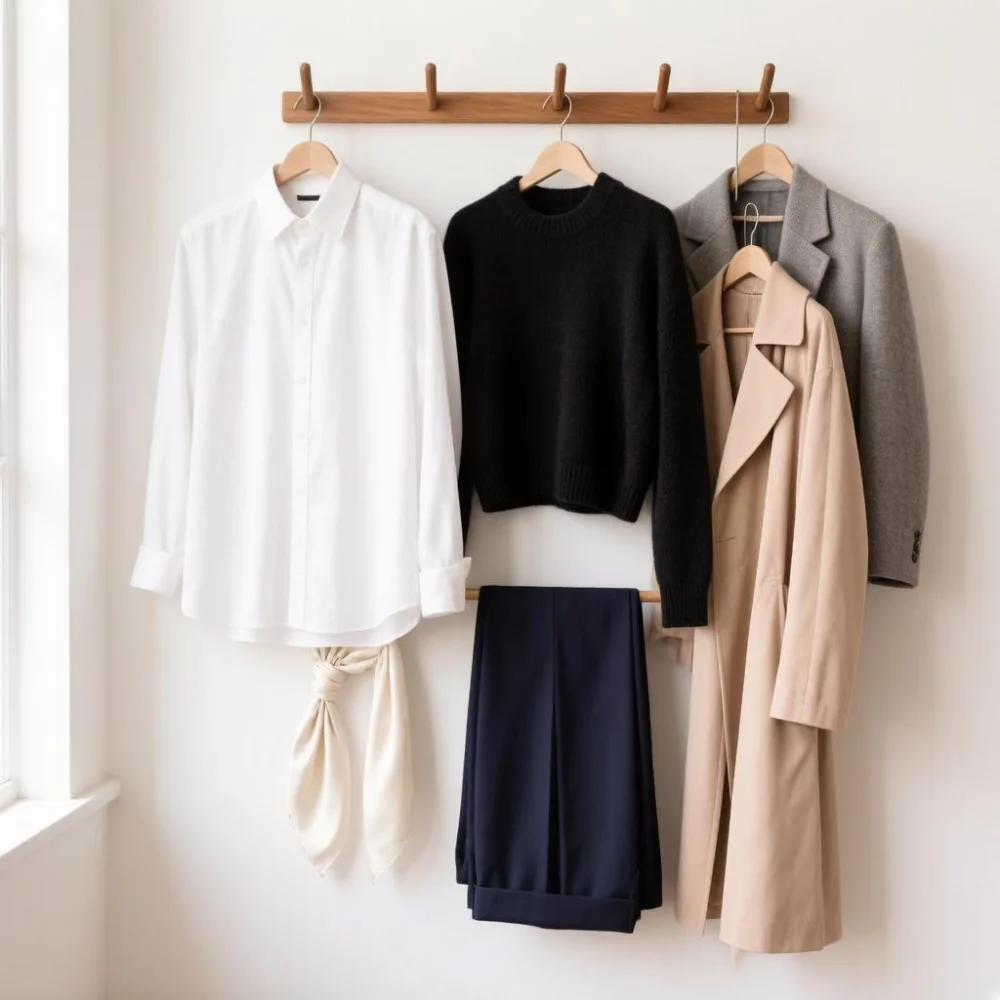
Some colours go with almost everything. These are your building blocks. Every Irish wardrobe should have a few pieces in these shades.
White – fresh, clean, and light. It pairs with every colour under the sun. A white shirt or T-shirt is the most versatile item you can own.
Black – classic and slimming. Black works with bright colours, pastels, and other neutrals. An all-black outfit looks sharp if you mix textures – matte with shiny, knit with smooth.
Grey – from light silver to charcoal, grey is a brilliant partner for strong colours like fuchsia, red, purple, or pink. It tones down loud shades without washing them out.
Beige and camel – warm, natural, and very Irish-friendly. Beige goes beautifully with navy, brown, emerald, red, black, and white. It is perfect for coats, trousers, and bags.
Navy – darker than blue but softer than black. Navy works with nearly everything, especially white, red, yellow, and pink. It is a favourite in Irish offices.
If you have these basics, you can add almost any colourful piece and it will fit.
Tried-and-True Colour Combinations
These pairs are proven to look good. You can wear them without second-guessing.
Red + navy – a timeless classic. A red jumper with navy trousers looks smart and confident. Red also works with green, blue, and gold.
Orange + blue – bright and energetic. Blue jeans with an orange top make a cheerful casual outfit. For a subtler take, use burnt orange with slate blue.
Orange + black – a bold choice. Add an orange jacket to a little black dress and you have instant style.
Yellow + green – fresh and youthful. Mustard yellow with olive green works for autumn. Bright yellow with emerald green suits spring and summer.
Yellow + brown + blue – warm and earthy. Think of a yellow sweater, brown boots, and blue denim. Very cosy for Irish weather.
Pink + grey – soft and elegant. A pale pink blouse with charcoal trousers looks professional but not stiff. For a more striking look, try hot pink with light grey.
Pink + light blue – like candy colours. A baby blue coat over a pink dress is sweet and modern. Great for weddings or garden parties.
Beige + burgundy – rich and grown-up. Burgundy trousers with a beige knit – this combination feels expensive without trying hard.
Brown + beige – the ultimate neutral duo. Brown jacket, beige scarf, black boots – simple and effective.
Brown + pink + green – unexpected but lovely. Brown cords, a soft pink top, and a green bag – it works because these colours appear together in nature.
Surprising Pairs That Really Work
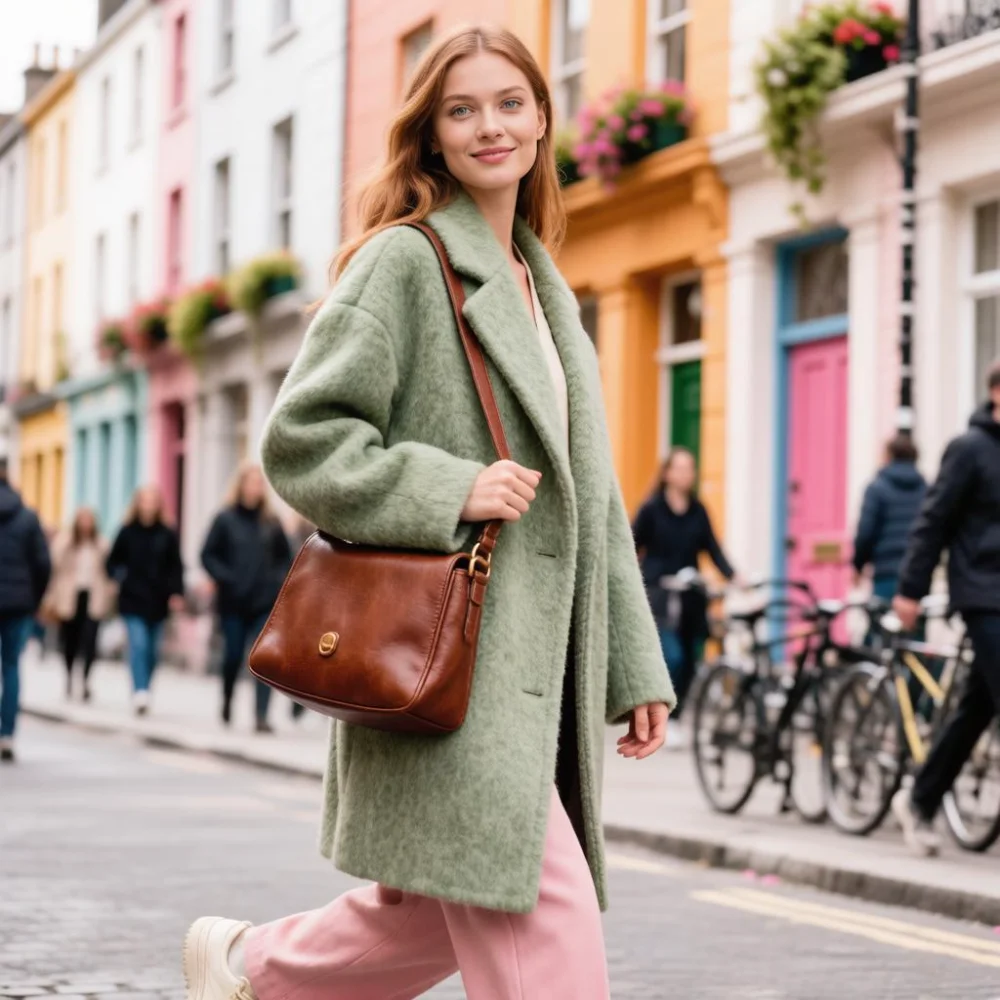
Sometimes the best combinations are the ones you would not think of. Here are some unusual but beautiful matches.
Mint green + blush pink – these two pastels are made for each other. They look delicate and fresh, perfect for spring. Wear a mint top with pink trousers or a pink coat over a mint dress.
Bright yellow + lavender – yellow and purple are opposites on the colour wheel. The trick is to use a soft lavender with a clear, sunny yellow. It is cheerful and eye-catching.
Orange + hot pink – these are neighbours on the wheel. The warmth of orange meets the energy of pink. If this feels too loud, swap hot pink for pale pink.
Turquoise + sand – this pair reminds you of a tropical beach. Sand-coloured trousers with a turquoise top – it is relaxed and summery, even on a grey Irish day.
Chocolate brown + mint – brown has become a luxury colour. Add a touch of mint green and you get a rich, sophisticated look. Choose velvet or silk for extra depth.
Navy + mustard – this is a big trend right now. Navy is calm; mustard is lively. Together they are balanced and modern. Navy also goes well with orange, green, and teal.
Matching Colours to Your Skin Tone and Hair
Not every colour suits every person. The same outfit can look different on two people. That is because we all have warm or cool undertones.
Warm undertones – your skin has a golden or peachy glow. You may have red, auburn, or warm brown hair. Your eyes are often hazel, green, or warm brown. You look best in colours with a yellow or orange base: mustard, olive, khaki, beige, camel, terracotta, burgundy, and warm reds.
Cool undertones – your skin has a pink or rosy cast. You may have ash-blonde, silver, or cool brown hair. Your eyes are often blue, grey, or cool green. You shine in colours with a blue or purple base: sky blue, navy, emerald, bright pink, lavender, magenta, and pure white.
Neutral undertones – you can wear almost anything. You have a mix of warm and cool features. Your best colours are mid-tone blues, soft greens, dusty pinks, and charcoal grey.
How to check your undertone? Look at the veins on your wrist. Blue veins mean cool. Green veins mean warm. If you cannot tell, you are neutral.

Practical Tips for Everyday Dressing
Here are some simple rules that will make colour matching easier.
Pick one main colour – let that be the largest area of your outfit. Use other colours as accents – a scarf, a bag, shoes, or a belt.
Play with brightness – you do not need all colours to be equally strong. Pair a bright top with muted trousers, or a neon accessory with a neutral outfit.
Mix textures – even if the colours are plain, different materials add interest. Wear a silk blouse with wool trousers, or a leather jacket over a cotton dress.
Start small – if you are nervous about colour, buy a colourful scarf or pair of socks first. Wear them with your neutrals. Then add a coloured top, then trousers, then a coat.
Consider the weather – in Ireland, light colours reflect the grey skies, while deeper colours add warmth. Many people wear jewel tones in winter and pastels in summer.
Do not forget shoes – your footwear counts as part of the palette. Black, brown, or tan shoes go with almost everything. For a pop of colour, try red or blue trainers.

Quick Reference Table
Here is a short list of safe combinations. Keep it in your phone or on your mirror.
| Main Colour | Goes Well With |
|---|---|
| Red | Navy, green, gold, grey, white |
| Pink | Burgundy, brown, navy, grey, light blue |
| Orange | Blue, green, purple, brown, black |
| Brown | Beige, pink, green, cream, blue |
| Yellow | Green, brown, blue, grey, white |
| Light blue | Navy, pink, purple, red, brown, orange |
| Navy | Pink, light blue, red, burgundy, yellow |
| Dark blue | Yellow, orange, green, teal, white |
| Burgundy | Green, pink, navy, grey, cream |
| Green | Turquoise, red, navy, brown, beige |
Neutrals – white, black, grey, beige, and navy – work with any colour on this list.
What Colours to Avoid Together
Some combinations clash. They make you look tired or washed out. Here are a few to be careful with.
Red and pink – unless they are very different in shade (like bright red with pale pink), they can fight for attention.
Green and blue – some shades work, but bright green with bright blue often looks jarring. Try olive with navy instead.
Purple and red – they are both strong. They can work if one is much lighter or darker.
Orange and red – these are neighbours, but unless you are going for a fiery look, they can be overwhelming.
Brown and black – many people wear them together, but they can look muddy. Make sure one is much lighter, or break them with a third colour like white or beige.
The golden rule: if a combination makes you feel uncomfortable, do not wear it. Your own eye is the best judge.
Building a Capsule Wardrobe with Colour
If you want to simplify your choices, build a small wardrobe of pieces that all work together.
Start with two neutrals – say, navy and beige. Add one bright colour – red, for example. Then add one accent colour – like mustard or pink. Every top in that palette will match every bottom. You can get dressed in seconds.
For Irish weather, add layers. A neutral coat works over any outfit. A colourful scarf or hat changes the whole look.
Final Thoughts
Colour in clothing is not about following rigid rules. It is about feeling good and expressing yourself. The tips in this guide are tools, not prison walls. Use them when you need confidence, but trust your own taste too.
The next time you stand in front of your wardrobe, pick one colour you love. Then look at this guide and find a partner for it. Try it on. If you like it, wear it out.
Ireland has plenty of grey days. Your clothes do not have to be grey too. Add a splash of colour. You might be surprised how much it lifts your mood – and your whole day.