
Have you ever thought about starting your own clothing line? You are not alone. Many people in Ireland dream of seeing their designs on the racks or online. But turning that dream into a real business takes more than good ideas. It takes planning, hard work, and a clear path.
This guide walks you through every stage. You do not need a fashion degree or a big budget. You need patience, research, and the willingness to learn. Let us get started.
Why Start a Clothing Brand in Ireland
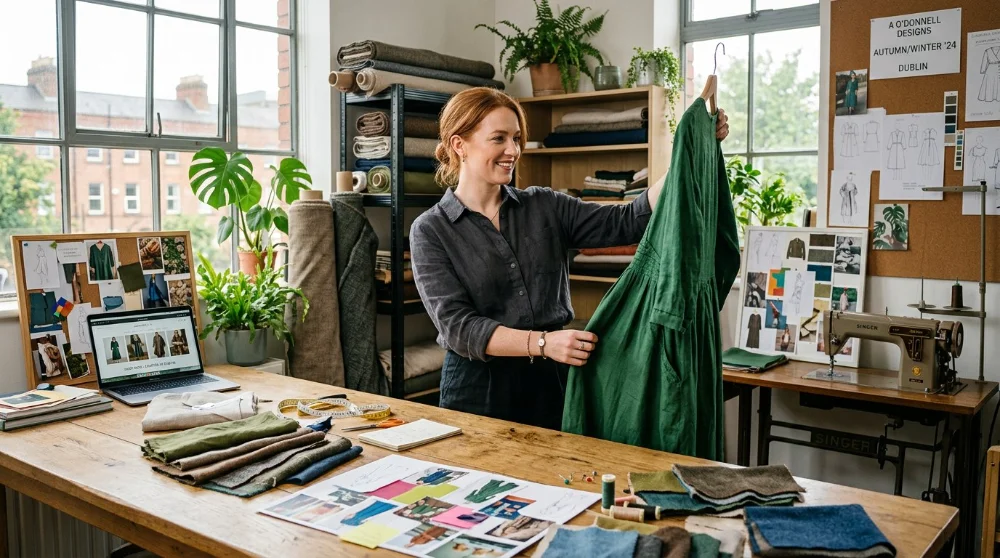
Ireland has a strong fashion community. Irish shoppers love supporting local brands. They look for quality, authenticity, and stories they can connect with. The market is big enough to grow but small enough to build a loyal customer base. You also have access to EU suppliers and customers, which gives you room to expand.
At the same time, competition is real. Big international brands sell here too. Your brand needs a clear identity and a reason for people to choose you. That reason could be your design, your fabrics, your ethics, or your story.
Step 1 – Define Your Niche and Target Audience
Before you sketch anything, ask yourself: who are you making clothes for? Be specific. “Women aged 20‑40” is too broad. Instead, think about “busy working mothers in Dublin who want comfortable but smart dresses” or “men in Cork who love outdoor hiking and need durable layers”.
Your niche shapes everything. It affects your colours, your fabrics, your price point, and your marketing. If you try to sell to everyone, you will appeal to no one.
Write down a profile of your ideal customer. Give them a name, age, job, hobbies, and shopping habits. Where do they buy clothes now? What do they like and dislike about those brands? This exercise will guide your decisions later.
Step 2 – Research the Market and Competitors
Look at other clothing brands in Ireland and the UK. Visit their websites and social media. Read customer reviews. Notice what they do well and where they fall short.
Ask yourself these questions:
- What styles are they selling?
- What prices do they charge?
- How do they present their brand?
- What do customers complain about? (Poor fit, slow delivery, bad fabric?)
- What do customers praise? (Good quality, nice packaging, great customer service?)
Use this information to find gaps. Maybe there is no brand offering sustainable activewear for teenagers. Maybe there is no local brand with plus‑size formal wear. Your opportunity lies in those gaps.
Also look at trends. But do not chase every trend. Pick ones that match your brand identity and will last at least a couple of seasons.
Step 3 – Create Your Designs and Brand Concept
Now you can start designing. You do not need to be a professional illustrator. You can sketch by hand, use digital tools like Adobe Illustrator or free alternatives like Inkscape, or work with a freelance fashion designer.
Start with a small collection. Five to ten pieces is enough for a first launch. Focus on core items that represent your brand. For example, if you are a streetwear brand, start with hoodies, T‑shirts, and caps. If you are a womenswear brand, start with a dress, a blouse, and a pair of trousers.
Your brand concept is more than your designs. It is your story, your values, your personality. Are you sustainable? Are you luxury? Are you fun and colourful? Write a brand mission statement. Keep it short and honest.
Step 4 – Find a Manufacturer or Supplier
This is one of the most important steps. You have two main options:
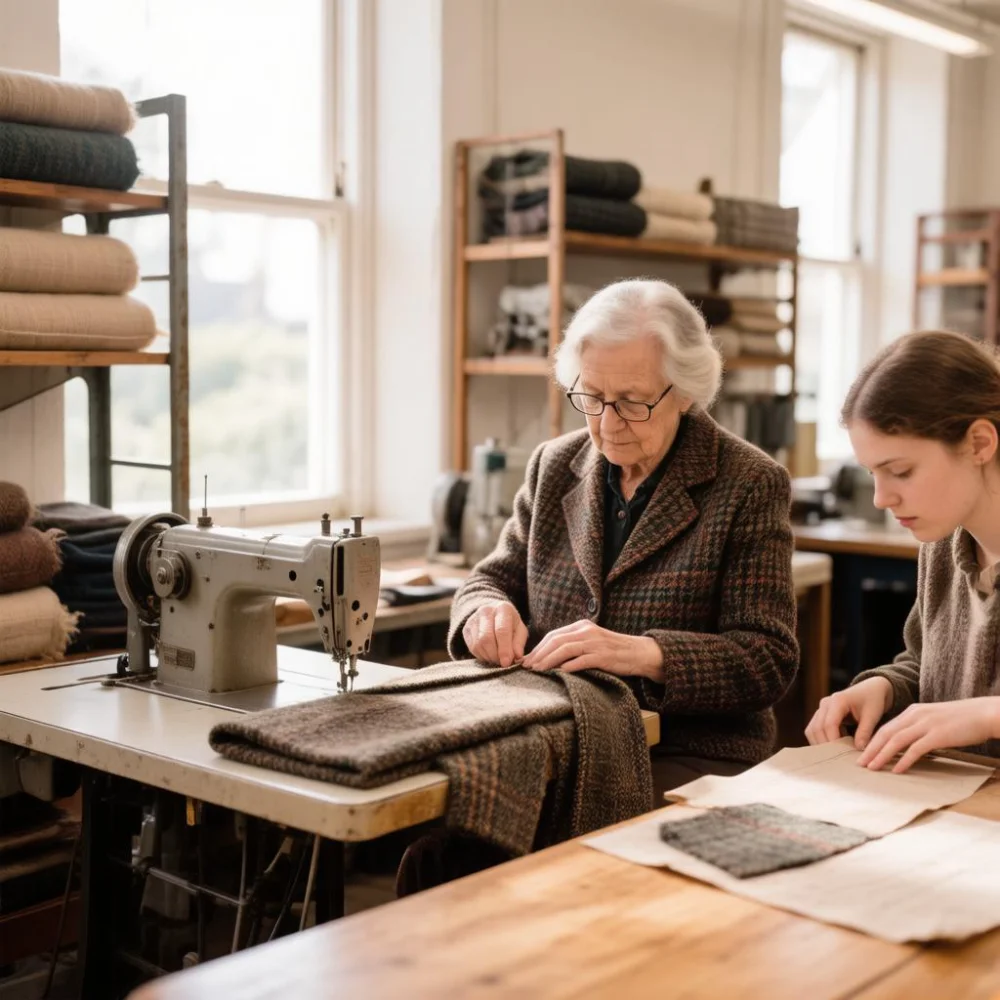
Local manufacturing – there are small factories and seamstresses in Ireland. They cost more but offer shorter lead times, easier communication, and the ability to visit in person. You can also claim “made in Ireland” which many customers value.
Overseas manufacturing – countries like Portugal, Turkey, China, India, and Bangladesh offer lower costs. You need to manage longer shipping times, language barriers, and quality control. Always order samples before placing a bulk order.
Where to find manufacturers? Use online directories like Maker’s Row, Alibaba, or local trade shows. Ask other Irish brand owners for recommendations. Join Facebook groups for fashion startups.
When you contact a factory, send them detailed tech packs. A tech pack includes sketches, measurements, fabric specs, colours, trims, and stitching details. The clearer your pack, the fewer mistakes they make.
Step 5 – Order Samples and Test Quality
Never skip sampling. Order at least one sample of each design. Wear the sample yourself. Wash it several times. Check if the seams hold, if the colours fade, if the fit matches your expectations.
Ask friends or potential customers to try the samples. Get honest feedback. Does it feel comfortable? Does it look like the photo? Does it fit true to size?
Based on this feedback, ask the manufacturer to make changes. This might take a few rounds. Be patient. Fixing problems before production saves you money and reputation later.
Step 6 – Register Your Business and Handle Taxes in Ireland
You cannot sell legally without registering your business. In Ireland, you can operate as a sole trader, a partnership, or a limited company. Each has different tax rules and liability.
Register with the Revenue Commissioners. You will need a tax reference number. If you plan to sell online to other EU countries, you may need to register for VAT. The standard VAT rate for clothing in Ireland is 23% (some children’s clothing is 0%, but check current rules).
Also register your business name with the Companies Registration Office (CRO) if you are not using your own name. You should also consider trademarking your brand name and logo to protect them.
Keep good financial records from day one. Use accounting software like QuickBooks or Xero. Hire a local accountant who understands small fashion businesses. They will help you with VAT returns, payroll, and annual accounts.
Step 7 – Develop Your Brand Identity – Logo, Packaging, Labels
Your logo is your visual signature. It appears on your website, your swing tags, your shipping boxes, and your social media. You can hire a graphic designer or use freelance platforms like Fiverr or Upwork. Look at other fashion logos for inspiration, but make yours unique.
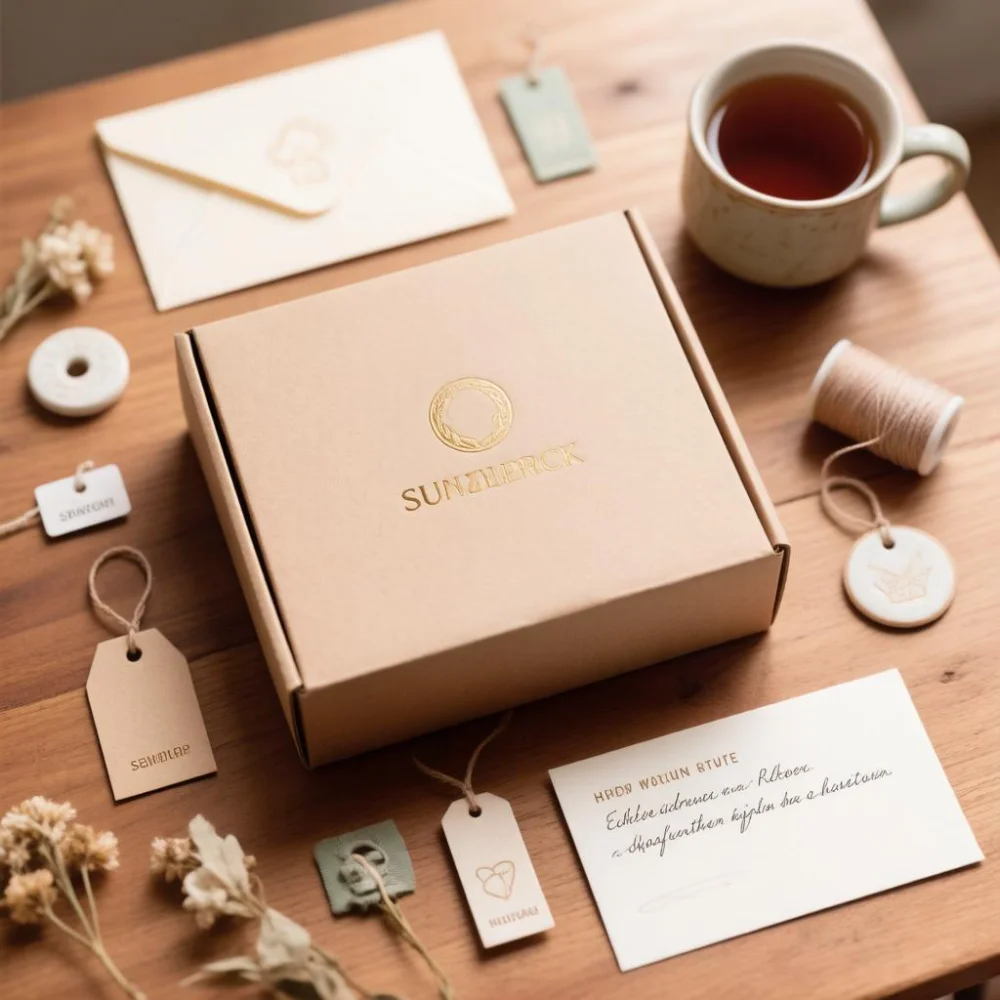
Packaging matters more than you think. When a customer opens your parcel, they should feel excited. Use good quality boxes or mailer bags. Add a thank‑you note, a branded sticker, or a small free gift. These small touches turn one‑time buyers into repeat customers.
Sew‑in labels and hang tags should include your brand name, size, care instructions, and fabric composition. These are cheap to order in bulk from specialised label companies.
Step 8 – Set Your Prices and Calculate Costs
Pricing is tricky. Too high, and you scare customers. Too low, and you lose money or devalue your brand.
Start by calculating your total cost per item. This includes fabric, trims, manufacturing, shipping, customs, packaging, labels, and any import duties. Then add your overheads – website hosting, marketing, studio rent, salaries.
A common formula is: wholesale price = 2x cost price, and retail price = 2x wholesale price (or 2.5x). But this depends on your market. For premium brands, margins can be higher. For competitive casual wear, margins may be thinner.
Check what your competitors charge. Set your prices at a similar level or slightly higher if you offer better quality. Be transparent about your pricing on your website – explain why your product costs what it costs.
Step 9 – Build Your Online Store and Sales Channels
An online store is essential for most clothing brands. You can use platforms like Shopify, WooCommerce, or Squarespace. These are user‑friendly and integrate with payment systems like Stripe or PayPal.
Your website must look professional. Use high‑quality photos from a professional photographer. Show models wearing your clothes from different angles. Include a size guide and clear return policy.
Do not rely only on your own website. Sell through other channels too. Consider Etsy, Depop, or Irish marketplaces like Minko. Also think about wholesale to boutiques. Approach small independent shops in your area with your samples and lookbook.
Pop‑up shops and local markets are great for building a local following. Events like the Dublin Flea Market or Cork’s English Market can introduce your brand to real customers face‑to‑face.
Step 10 – Plan Your Marketing and Launch Campaign
You need to tell people about your brand. Start building an audience before you launch. Use Instagram, TikTok, and Facebook. Post behind‑the‑scenes content – sketches, fabric swatches, samples, packing orders. People love to see the process.
Collaborate with Irish influencers and micro‑influencers. They have loyal followers who trust them. Offer them free pieces in exchange for honest posts. Choose influencers whose followers match your target audience.
Email marketing works well too. Build an email list through your website. Offer a discount code in exchange for sign‑ups. Send regular newsletters with updates, new arrivals, and exclusive offers.
For your launch, create a “drop” strategy – release a small collection on a specific date. Build hype with countdown posts and teasers. Consider a launch event – even a small gathering in a local venue can generate buzz.
Step 11 – Manage Inventory and Fulfilment
Once you start selling, you must manage stock carefully. Too much stock ties up your money. Too little stock means lost sales.
Start with a small batch. Maybe 50‑100 pieces per design. Monitor which items sell fastest. Reorder popular styles and discontinue slow movers.
Decide how you will fulfil orders. You can pack and ship from your home or a small studio. As you grow, consider a fulfilment centre or use a service like An Post’s eCommerce solutions for Irish delivery. Offer clear shipping options – standard, express, and free over a certain amount.
Set up a returns policy that is fair but not too generous. In Ireland, customers have 14 days to return for online purchases under consumer law. Make returns easy to encourage confidence.
Step 12 – Collect Feedback and Keep Improving
Your first collection will teach you many lessons. Listen to every customer review, email, and social media comment. Ask for feedback through surveys or follow‑up emails.
What do customers love? What do they wish was different? Use this information to improve your next collection. Maybe you need better fabric, more sizes, or faster delivery. Maybe your packaging needs an upgrade.
Stay in touch with your customers. Send them exclusive previews of new designs. Reward loyal customers with discounts or early access. A small community of fans will market your brand better than any ad.
Keep an eye on your finances. Track your sales, profit margins, and expenses weekly. Adjust your prices or production if needed. Do not be afraid to pivot if something is not working.
Legal and Practical Considerations for Ireland
Here are a few extra points specific to Ireland:
- Register your business with Revenue and CRO.
- Comply with the General Product Safety Regulations.
- Ensure your clothing meets fire safety standards, especially for children’s wear.
- Use the Irish language on your labels or website if it fits your brand – it can be a nice differentiator.
- Look into supports from Local Enterprise Offices (LEOs). They offer grants, mentoring, and training for startups.
- Check if you qualify for the Enterprise Ireland’s New Frontiers programme or other startup supports.
Funding options include your own savings, loans from banks, crowdfunding (e.g., Kickstarter), or angel investors. Start small and reinvest your profits.
Common Mistakes to Avoid
- Ordering too much stock without testing.
- Ignoring the cost of returns and shipping.
- Not having a clear brand story.
- Copying other brands too closely.
- Underpricing your products and losing money.
- Neglecting customer service.
- Forgetting to plan for seasonal changes.
Final Thoughts
Starting a clothing brand in Ireland is an exciting journey. It takes time, effort, and patience. But many Irish founders have done it successfully. You can too if you follow a step‑by‑step plan and stay true to your vision.
Begin with your idea and your customer. Research thoroughly. Design with care. Find a reliable maker. Build a strong brand identity. Launch with a clear marketing plan. Listen to your customers and keep improving.
Do not wait for perfect conditions. Start small, learn as you go, and grow steadily. Every big brand began with one person and one idea. Yours could be next.
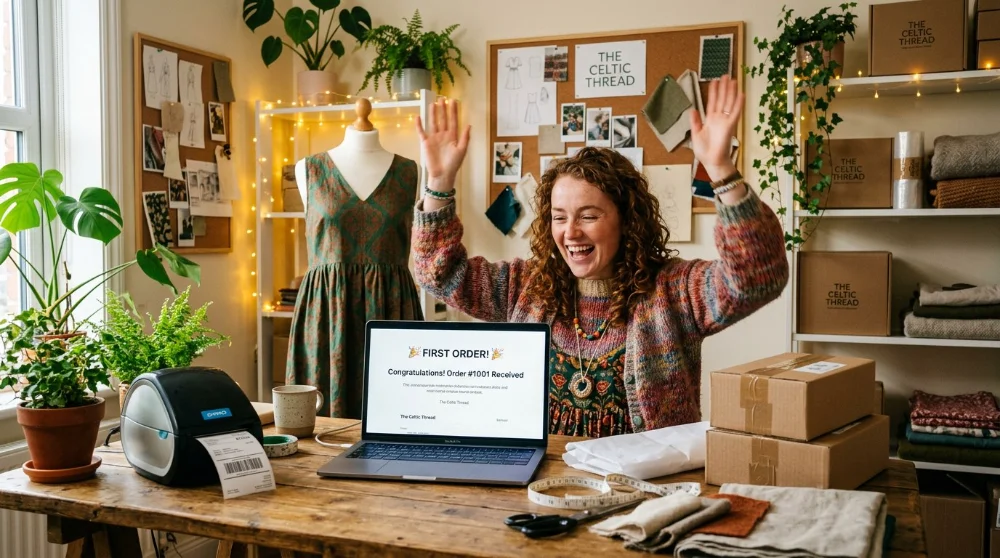
Good luck – and enjoy the process. Your first order from a stranger will feel incredible. That moment makes all the hard work worthwhile.